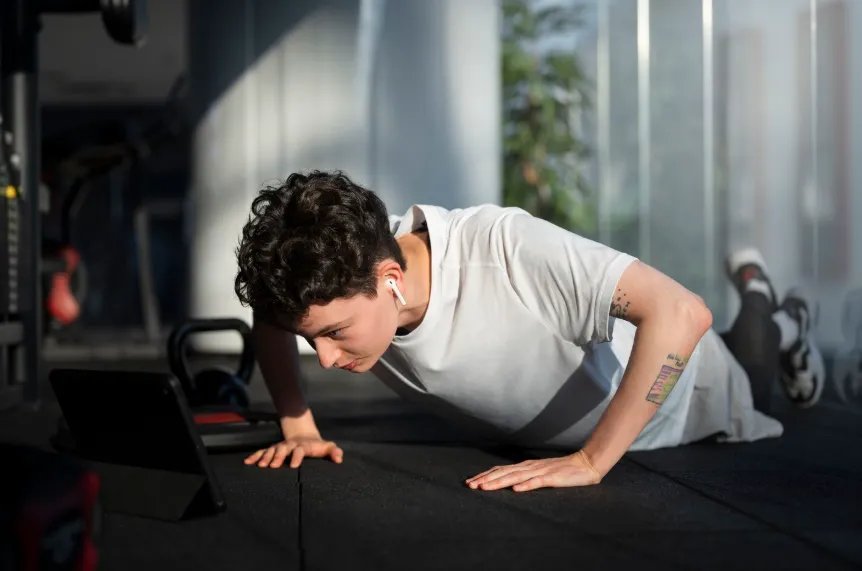
Finding time to exercise is one of the biggest challenges in today’s fast-paced world. Between work, family responsibilities, commuting, and personal commitments, many people struggle to fit a traditional 45- to 60-minute workout into their daily routine. As a result, a growing fitness trend known as micro workouts is changing the way people think about exercise.
Micro workouts are short bursts of physical activity that typically last between five and fifteen minutes. Rather than completing one long workout, these sessions can be spread throughout the day while still contributing to your overall fitness goals. But can such brief exercise sessions really improve your health and fitness?
The answer is yes. Research suggests that consistent short workouts can provide meaningful health benefits, especially when combined with an active lifestyle. While they may not replace every aspect of longer training sessions, micro workouts are an effective way to improve fitness, increase energy levels, and build healthier habits.
What Are Micro Workouts?
Micro workouts are short, focused exercise sessions designed to fit into even the busiest schedules. They usually target a specific fitness goal, such as improving cardiovascular health, increasing strength, enhancing flexibility, or boosting mobility.
Unlike traditional workouts that require dedicated gym time, micro workouts can be performed almost anywhere. Whether you’re at home, in the office, or traveling, a quick session can often be completed without special equipment.
Examples include:
- Five minutes of bodyweight squats and push-ups
- A ten-minute brisk walk during lunch
- Seven minutes of high-intensity interval training (HIIT)
- Quick stretching or yoga sessions
- Stair climbing for several minutes
- Resistance band exercises between meetings
These short sessions add up over the course of the day, making it easier to stay active without disrupting your schedule.
Why Are Micro Workouts Becoming Popular?
Modern lifestyles have become increasingly sedentary. Many people spend hours sitting at desks, attending virtual meetings, or commuting, leaving little time for structured exercise.
Micro workouts solve several common barriers to fitness:
- They require minimal time.
- They reduce the intimidation of long workouts.
- They can be completed almost anywhere.
- They encourage regular movement throughout the day.
- They are easier to maintain consistently.
For beginners, short workouts also feel more achievable, making it easier to develop a lasting fitness habit.
Can Short Exercise Sessions Really Improve Fitness?
One of the biggest misconceptions is that only long workouts produce meaningful results. While extended training sessions certainly have benefits, scientific research has shown that accumulated physical activity throughout the day can also improve overall health.
When performed consistently, micro workouts can help:
- Improve cardiovascular fitness
- Increase muscular endurance
- Burn additional calories
- Support healthy weight management
- Improve blood circulation
- Enhance insulin sensitivity
- Reduce prolonged sitting time
- Boost daily energy levels
The key factor is consistency rather than workout duration.
Cardiovascular Benefits
Your heart responds positively to regular movement, even if that movement occurs in short intervals.
Activities like brisk walking, jumping jacks, cycling, or stair climbing elevate your heart rate and stimulate cardiovascular conditioning. Multiple short sessions throughout the day can collectively help improve heart health and endurance.
Many health organizations recommend at least 150 minutes of moderate physical activity each week. These minutes do not necessarily have to come from long gym sessions, they can be accumulated through several micro workouts.
Strength Gains Through Micro Workouts
Strength training doesn’t always require heavy equipment or lengthy routines.
Simple bodyweight exercises performed consistently can strengthen major muscle groups over time. Examples include:
- Push-ups
- Squats
- Lunges
- Planks
- Glute bridges
- Wall sits
- Tricep dips
Completing two or three short strength sessions daily may result in noticeable improvements in muscular endurance and functional strength.
As fitness improves, individuals can gradually increase repetitions, resistance, or exercise difficulty.
Weight Management Support
Weight management depends largely on balancing calorie intake and physical activity.
Although micro workouts may burn fewer calories than longer sessions individually, their cumulative effect can contribute to increased daily energy expenditure.
Additionally, regular movement throughout the day helps reduce prolonged periods of inactivity, which are associated with various health risks.
Combining short workouts with balanced nutrition creates a practical strategy for maintaining a healthy weight.
Mental Health Benefits
Exercise is well known for improving mental well-being, and micro workouts are no exception.
Even a five-minute walk or stretching session can help:
- Reduce stress
- Improve mood
- Increase focus
- Lower anxiety
- Boost productivity
Physical activity stimulates the release of endorphins, often referred to as “feel-good” hormones, which can improve emotional well-being and reduce feelings of fatigue.
Many office workers find that brief movement breaks improve concentration and reduce mental burnout during long workdays.
Flexibility and Mobility
Micro workouts aren’t limited to strength and cardio.
Short stretching routines can improve flexibility, posture, and joint mobility.
Examples include:
- Neck stretches
- Shoulder mobility exercises
- Hip openers
- Hamstring stretches
- Cat-cow yoga poses
- Spinal twists
Performing these movements several times daily may reduce muscle stiffness caused by prolonged sitting.
Improved mobility also lowers the risk of injury during other physical activities.
Building Consistency
One of the greatest advantages of micro workouts is habit formation.
Many people struggle to maintain lengthy fitness routines because they require significant motivation and scheduling.
Micro workouts lower the barrier to entry.
Instead of thinking, “I need an hour to exercise,” people begin thinking, “I have five minutes.”
This small mental shift often leads to greater long-term consistency.
As the habit strengthens, many individuals naturally begin incorporating longer workouts when their schedules allow.
Sample Daily Micro Workout Plan
Here’s an example of how short exercise sessions can fit into a busy day:
Morning (5 minutes)
- Bodyweight squats
- Push-ups
- Plank
Mid-Morning (5 minutes)
- Brisk walk
- Stair climbing
Lunch Break (10 minutes)
- Walking
- Light stretching
Afternoon (5 minutes)
- Resistance band exercises
- Lunges
Evening (10 minutes)
- Yoga
- Mobility exercises
Together, these sessions provide approximately 35 minutes of physical activity without requiring a dedicated gym visit.
Who Can Benefit Most?
Micro workouts are suitable for many individuals, including:
- Busy professionals
- Students
- Parents
- Older adults
- Remote workers
- Frequent travelers
- Beginners starting a fitness journey
Because sessions are brief and adaptable, they can be modified to match different fitness levels and physical abilities.
However, individuals with existing medical conditions should consult a healthcare professional before beginning any new exercise program.
Limitations of Micro Workouts
Although micro workouts offer many benefits, they are not a complete replacement for every type of exercise.
Athletes training for endurance events, competitive sports, or advanced strength goals often require longer, structured workouts.
Likewise, activities such as marathon preparation, heavy resistance training, or advanced skill development generally need extended practice sessions.
Micro workouts should be viewed as a practical solution for maintaining daily physical activity rather than replacing specialized fitness programs.
Tips for Getting Started
If you’re new to micro workouts, keep these tips in mind:
- Start with five-minute sessions.
- Focus on proper exercise form.
- Schedule workouts throughout the day.
- Set reminders to move regularly.
- Mix strength, cardio, and flexibility exercises.
- Gradually increase intensity as fitness improves.
- Stay hydrated and allow adequate recovery.
Most importantly, choose activities you genuinely enjoy. Consistency becomes much easier when exercise feels rewarding instead of overwhelming.
Final Thoughts
Micro workouts prove that improving your fitness doesn’t always require spending hours in the gym. Short, focused exercise sessions can boost cardiovascular health, strengthen muscles, improve flexibility, support weight management, and enhance mental well-being when practiced consistently.
While they may not replace comprehensive training programs for advanced athletes, micro workouts provide an accessible and sustainable solution for people with busy schedules. By incorporating just a few minutes of movement throughout the day, you can reduce sedentary behavior, build healthier habits, and make meaningful progress toward your fitness goals.
Remember, fitness is not determined by the length of a single workout but by the consistency of your efforts over time. Every step, stretch, and squat counts, and even a few minutes of movement each day can have a lasting impact on your overall health.