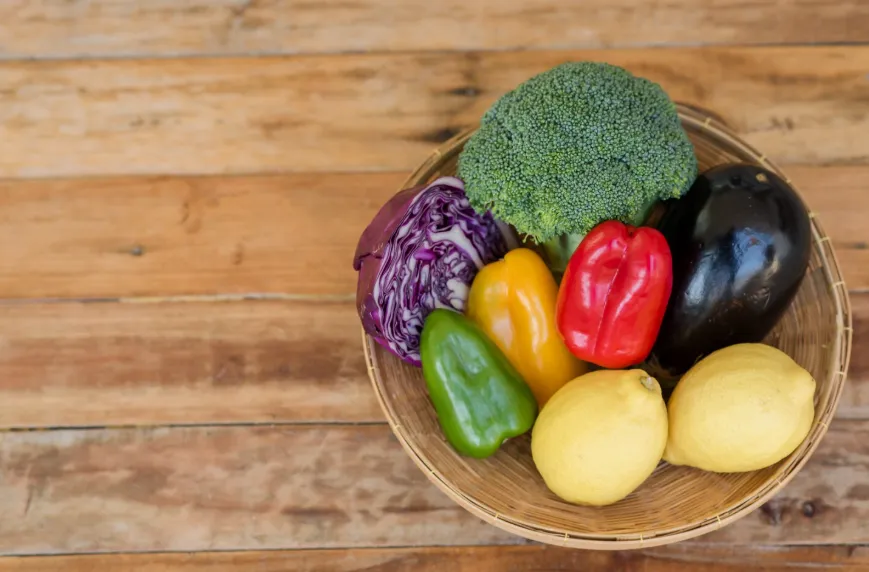
Healthy eating is one of the most effective ways to support overall well-being, and one simple habit can make a significant difference: choosing seasonal fruits and vegetables. Seasonal produce is harvested at its natural peak, offering better taste, higher nutritional value, and often a lower environmental impact. Whether you’re shopping at a local farmers’ market or your neighborhood grocery store, filling your basket with fruits and vegetables that are in season can benefit both your health and your budget.
In this article, we’ll explore the many benefits of eating seasonal fruits and vegetables and share practical tips for incorporating them into your daily meals.
What Are Seasonal Fruits and Vegetables?
Seasonal fruits and vegetables are crops that are naturally harvested during a specific time of the year in a particular region. Instead of being grown in artificial environments or transported long distances, seasonal produce is typically cultivated under favorable weather conditions and reaches consumers soon after harvest.
Examples of seasonal produce vary depending on where you live. Summer often brings berries, tomatoes, cucumbers, and peaches, while autumn offers pumpkins, apples, sweet potatoes, and pears. Winter may feature citrus fruits, cabbage, and carrots, whereas spring is known for asparagus, spinach, peas, and strawberries in many regions.
Choosing produce that aligns with the growing season allows you to enjoy food at its freshest.
Higher Nutritional Value
One of the greatest benefits of eating seasonal fruits and vegetables is their nutritional quality. Freshly harvested produce generally contains higher levels of vitamins, minerals, and antioxidants because it spends less time in storage or transit.
Many fruits and vegetables begin to lose nutrients after they are picked. Seasonal produce often reaches your plate more quickly, helping preserve important nutrients such as vitamin C, folate, potassium, and dietary fiber.
Antioxidants found in colorful fruits and vegetables also help protect the body from oxidative stress, which has been linked to various chronic diseases.
Better Taste and Freshness
Have you ever noticed how much sweeter a fresh mango tastes during its natural season or how juicy a ripe watermelon can be in the summer? Seasonal produce develops under ideal growing conditions, allowing fruits and vegetables to fully ripen before harvest.
Because they are picked at the right time, seasonal foods often have:
- Better flavor
- Richer aroma
- Improved texture
- Natural sweetness
Fresh ingredients can transform everyday meals, making healthy eating more enjoyable for the whole family.
More Affordable Prices
Buying seasonal fruits and vegetables is often more budget-friendly than purchasing out-of-season produce.
When crops are abundant, supply increases, which frequently results in lower prices. Farmers and retailers also spend less on specialized growing methods and long-distance transportation during peak harvest periods.
By planning your meals around seasonal availability, you can enjoy fresh, nutritious food while reducing your grocery expenses.
Supports Local Farmers
Choosing seasonal produce often means buying from local farmers and nearby agricultural communities.
Supporting local agriculture helps strengthen regional economies while encouraging sustainable farming practices. Purchasing locally grown fruits and vegetables can also reduce the time between harvest and consumption, ensuring fresher products.
Farmers’ markets, community-supported agriculture (CSA) programs, and local produce stores are excellent places to find seasonal options while supporting local businesses.
Environmentally Friendly Choice
Seasonal eating benefits not only your health but also the environment.
Out-of-season produce may require heated greenhouses, extensive refrigeration, or long-distance transportation to reach consumers. These processes increase energy consumption and greenhouse gas emissions.
Seasonal fruits and vegetables generally require:
- Less transportation
- Lower energy usage
- Reduced packaging
- Smaller carbon footprint
Making environmentally conscious food choices contributes to a more sustainable food system.
Encourages Dietary Variety
Eating the same foods every day can become repetitive and may limit the range of nutrients your body receives.
Seasonal eating naturally introduces variety into your diet throughout the year. As different fruits and vegetables become available, you have opportunities to try new recipes and discover different flavors.
For example:
- Spring: leafy greens, peas, radishes
- Summer: berries, zucchini, tomatoes
- Autumn: squash, apples, pumpkins
- Winter: citrus fruits, broccoli, cabbage
A diverse diet helps provide a wider spectrum of vitamins, minerals, and beneficial plant compounds.
Supports Better Digestive Health
Most seasonal fruits and vegetables are naturally rich in dietary fiber, an essential nutrient for digestive health.
Fiber helps:
- Promote regular bowel movements
- Support healthy gut bacteria
- Improve digestion
- Increase feelings of fullness
- Assist with healthy weight management
Including a variety of fiber-rich seasonal produce in your meals can support overall digestive wellness and contribute to better long-term health.
Strengthens the Immune System
A healthy immune system depends on proper nutrition.
Seasonal fruits and vegetables provide important nutrients that support immune function, including:
- Vitamin C
- Vitamin A
- Zinc
- Folate
- Antioxidants
For example, citrus fruits available during winter are excellent sources of vitamin C, while colorful vegetables such as carrots and sweet potatoes provide beta-carotene, which the body converts into vitamin A.
Eating a colorful variety of produce throughout the year helps provide consistent nutritional support for immune health.
Helps Maintain a Healthy Weight
Seasonal fruits and vegetables are generally low in calories while being rich in fiber and water.
These qualities make them filling without adding excessive calories, helping people feel satisfied after meals.
Replacing processed snacks with fresh fruits or adding extra vegetables to lunch and dinner can support healthy weight management as part of a balanced lifestyle.
Combined with regular physical activity, seasonal eating can contribute to long-term wellness.
Inspires Healthy Cooking
Seasonal ingredients encourage creativity in the kitchen.
Instead of relying on processed convenience foods, fresh produce inspires home-cooked meals that are both nutritious and flavorful.
Some easy seasonal meal ideas include:
- Fresh fruit salads
- Vegetable soups
- Smoothies
- Roasted vegetables
- Stir-fries
- Garden salads
- Homemade sauces
Cooking with seasonal ingredients can make meal preparation more enjoyable while encouraging healthier eating habits.
Tips for Eating More Seasonal Produce
If you’re new to seasonal eating, getting started is easier than you might think.
Here are a few practical tips:
- Visit local farmers’ markets regularly.
- Learn which fruits and vegetables are in season in your region.
- Plan weekly meals around seasonal ingredients.
- Freeze extra fruits and vegetables for later use.
- Try one new seasonal recipe each week.
- Choose whole fruits instead of sugary desserts whenever possible.
- Add vegetables to soups, pasta dishes, and casseroles for extra nutrition.
Small changes can gradually build healthier eating habits that last throughout the year.
Final Thoughts
The benefits of eating seasonal fruits and vegetables extend far beyond great taste. Seasonal produce offers higher nutritional value, improved freshness, better flavor, and often lower prices compared to out-of-season alternatives. It also supports local farmers, reduces environmental impact, encourages dietary variety, and provides essential nutrients that contribute to overall health.
Making seasonal produce a regular part of your diet is a simple yet effective way to enjoy wholesome meals while supporting sustainable food choices. Whether you’re preparing colorful salads, hearty soups, refreshing smoothies, or healthy snacks, seasonal fruits and vegetables can add both nutrition and flavor to every meal.
By embracing seasonal eating throughout the year, you can nourish your body, support your local community, and enjoy the natural diversity that each season has to offer.