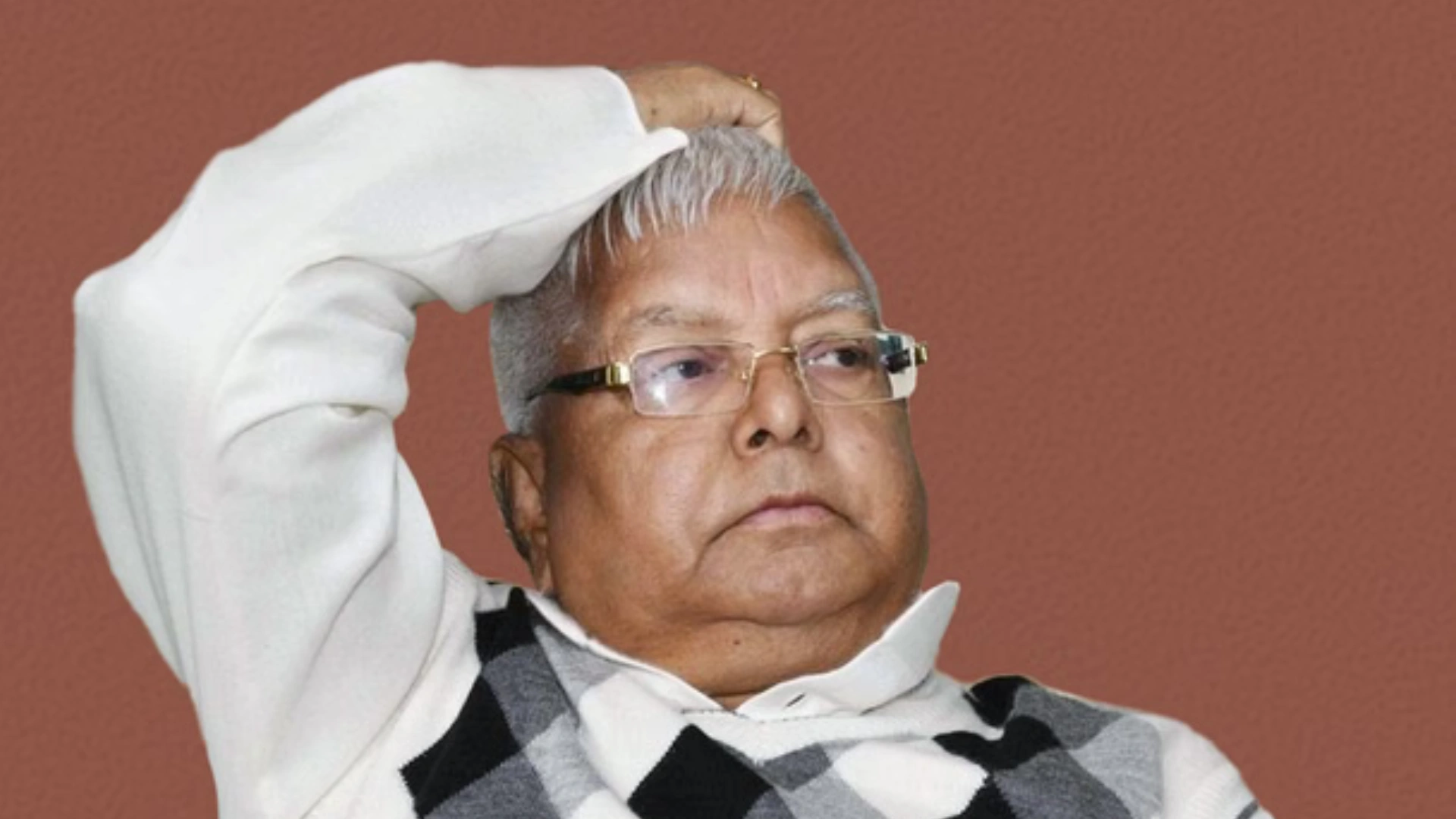
Few figures in Indian politics have generated as much fascination, admiration, criticism, and debate as Lalu Prasad Yadav. Known for his rustic humor, sharp political instincts, and unapologetic advocacy for social justice, Lalu Prasad Yadav emerged as a powerful voice for marginalized communities in India. At the same time, his tenure has been deeply scrutinized for governance failures and corruption scandals, making him one of the most complex and controversial leaders in the country’s democratic history.
Lalu Prasad Yadav – Quick Bio
| Category | Attribute | Details |
| Personal | Full Name | Lalu Prasad Yadav |
| Date of Birth | June 11, 1948 | |
| Age (2026) | 77 | |
| Birthplace | Phulwaria, Gopalganj, Bihar | |
| Religion | Hindu | |
| Caste | Yadav (OBC) | |
| Height | 168 cm | |
| Family | Father | Kundan Rai |
| Mother | Marachhiya Devi | |
| Spouse | Rabri Devi (m. 1973; former Bihar CM) | |
| Children | 9 total (sons: Tej Pratap Yadav, Tejashwi Yadav; 7 daughters) | |
| Education | Qualifications | B.A. (Political Science), LL.B., Patna University |
| Early Involvement | Student leader; JP Movement activist | |
| Political Career | Key Positions | Bihar CM (1990–1997); RJD Founder/President (1997–present); Union Railway Minister (2004–2009) |
| Achievements | Stopped Advani’s Rath Yatra (1990); RJD’s strong Bihar election showings (2015, 2020) | |
| Controversies | Major Issues | Fodder scam convictions (1996 exposure; bail in 2021) |
Personal Profile and Physical Presence
Lalu Prasad Yadav was born on June 11, 1948, in Phulwaria village in the Gopalganj district of Bihar. As of 2026, he is 77 years old. He belongs to a Hindu family and is part of the Yadav community, categorized under the Other Backward Classes (OBC), a social identity that deeply influenced his political ideology.
Standing at approximately 168 cm in height, Lalu is often recognized for his simple and traditional attire, especially his white kurta. This style has long symbolized his connection to rural India and reinforced his image as a grassroots नेता rather than an elite politician. His public appearance has always reflected accessibility and familiarity rather than authority or distance.
Early Life, Education, and Struggles
Lalu’s upbringing was rooted in modest circumstances. Born into a peasant family, he faced economic hardship from an early age. His father, Kundan Rai, and mother, Marachhiya Devi, raised him in an environment where education was valued but not easily accessible.
His move to Patna marked a turning point. At Patna University, he pursued a Bachelor’s degree in Political Science, followed by a law degree (LL.B.). These academic experiences played a key role in shaping his understanding of governance, law, and public administration.
Before entering full-time politics, Lalu briefly worked as a clerk at the Bihar Veterinary College. However, his true calling emerged through student activism. During his university years, he became a prominent student leader, known for his ability to mobilize crowds and articulate the concerns of ordinary people.
Political Awakening and the JP Movement
The 1970s were a defining period in Indian politics, and Lalu Prasad Yadav was at the center of this transformation. He became actively involved in the movement led by Jayaprakash Narayan, widely known as the JP Movement.
This movement opposed corruption and authoritarian governance, particularly during the tenure of Indira Gandhi. Lalu’s participation not only gave him political visibility but also instilled in him a lifelong commitment to representing the marginalized and challenging entrenched power structures.
Rise to Power in Bihar
Following the end of the Emergency, Lalu entered parliamentary politics and was elected to the Lok Sabha at a young age. Over time, he strengthened his political base in Bihar.
In 1990, he became the Chief Minister of Bihar, a position he held until 1997. His tenure marked a dramatic shift in the state’s political dynamics. Power moved away from traditional upper-caste elites toward backward classes and marginalized communities.
His leadership style was unconventional but effective in mobilizing mass support. He communicated in a language that resonated with the rural population, often using humor and local idioms to convey political messages.
Governance and Political Ideology
Lalu’s governance was deeply intertwined with the implementation of the Mandal Commission recommendations. He positioned himself as a champion of social justice, advocating for the rights of OBCs, Dalits, and minorities.
Supporters credit him with empowering marginalise communities and transforming Bihar’s social structure. However, critics argue that his tenure was marked by poor governance, weak law enforcement, and economic stagnation. The phrase jungle raj became associated with this period, reflecting concerns about law and order.
The Fodder Scam and Political Setback
A major turning point in Lalu’s career came with the Fodder Scam. The scandal involved large-scale embezzlement of government funds and led to his resignation as Chief Minister in 1997.
Despite the legal challenges and eventual conviction, Lalu managed to retain political influence. His ability to maintain a loyal voter base even during adversity speaks to his deep-rooted connection with his supporters.
Formation of RJD and Continued Influence
In 1997, Lalu founded the Rashtriya Janata Dal (RJD), which became a dominant political force in Bihar. As its founder and president, he continues to shape its ideology and direction.
Even after stepping down as Chief Minister, his influence persisted through his wife, Rabri Devi, who served as Chief Minister following his resignation.
National Politics and Railway Ministry
Lalu’s political journey extended to the national stage when he served as Railway Minister from 2004 to 2009 under the United Progressive Alliance government led by Manmohan Singh.
During this period, he gained recognition for turning the financial performance of Indian Railways from losses to surplus. His approach combined practical management with unconventional decision-making, earning both praise and academic interest.
Family and Political Dynasty
Lalu Prasad Yadav’s personal life is closely intertwined with his political career. He married Rabri Devi in 1973, and together they have nine children.
Among them, Tej Pratap Yadav and Tejashwi Yadav are prominent political figures. Tejashwi Yadav, in particular, has emerged as a key leader in Bihar and represents the next generation of leadership within the RJD.
The Yadav family has become one of the most influential political dynasties in the state, with multiple members actively participating in politics.
Parliamentary Experience and Political Reach
Over the decades, Lalu has held multiple positions in India’s legislative system. He has been a Member of Parliament in both the Lok Sabha and the Rajya Sabha and is among the rare politicians to have been associated with all four houses of the legislature at different points in his career.
This extensive experience reflects his enduring relevance and adaptability in Indian politics.
Decline, Health, and Continuing Legacy
In recent years, Lalu Prasad Yadav’s active political involvement has been limited due to legal constraints and health issues. However, his ideological influence remains strong within the RJD and among his supporters.
Even in reduced public presence, his legacy continues to shape political narratives in Bihar, especially around issues of caste representation and social justice.
A Complex and Enduring Legacy
Lalu Prasad Yadav’s life and career are marked by contrasts. He is celebrated as a leader who gave voice to the marginalized and redefined political representation. At the same time, he is criticized for corruption and administrative shortcomings.
These contradictions make him a uniquely significant figure in Indian politics. His story is not just about personal success or failure but about the evolution of democracy in a diverse and unequal society.
Conclusion
From a small village in Bihar to the national political stage, Lalu Prasad Yadav has lived a life that mirrors the complexities of Indian democracy. His journey reflects the struggles, aspirations, and contradictions of a nation in transition.
He remains a symbol of empowerment for many and a subject of criticism for others. Regardless of perspective, his impact on Indian politics is undeniable. His legacy continues through his party, his family, and the millions who still see in him a voice that once spoke directly for them.
Frequently Asked Questions
What is the full name and basic background of Lalu Prasad Yadav?
Lalu Prasad Yadav was born on June 11, 1948, in Phulwaria village in the Gopalganj district of Bihar. As of 2026, he is 77 years old. He comes from a Yadav (OBC) family, follows Hinduism, and is known for his simple lifestyle and traditional attire, often seen in a white kurta.
What is Lalu Prasad Yadav’s educational qualification?
He completed his B.A. in Political Science and later earned an LL.B. degree from Patna University. His time at university played a major role in shaping his political career, especially through student activism and leadership.
What major political positions has Lalu Prasad Yadav held?
Lalu served as the Chief Minister of Bihar from 1990 to 1997. He is the founder and president of the Rashtriya Janata Dal since 1997. He also served as India’s Railway Minister from 2004 to 2009 under the United Progressive Alliance government led by Manmohan Singh.
Who are the key members of his family?
Lalu Prasad Yadav is married to Rabri Devi, who also served as the Chief Minister of Bihar. They have nine children, including Tej Pratap Yadav and Tejashwi Yadav, both active in politics.
Why is Lalu Prasad Yadav a controversial figure?
He is often praised for championing social justice and empowering backward classes, especially during the implementation of the Mandal Commission recommendations. However, he is also criticized for governance issues and his involvement in the Fodder Scam, which led to his conviction and resignation as Chief Minister.